
Estimating · Estimating habits · Updated Oct 20, 2026
Fence material takeoff checklist
A takeoff is the line-item list of everything a job needs, built before you price it. Missed items show up as a second supplier trip, a crew waiting on a part, or margin you gave away. This checklist works on paper, in a spreadsheet, or next to any estimating tool.
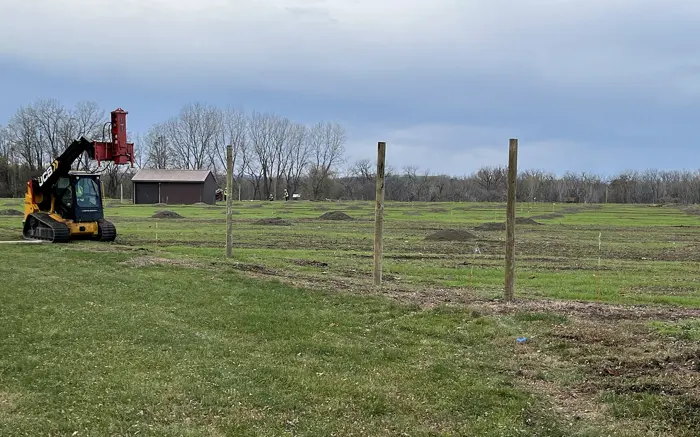

The seven steps
- Measure and sketch every runWalk the line and sketch each run with its length, every corner and end, each gate opening, and where grade changes.
- Count posts by typeCount line, corner, end, and gate posts separately, using the manufacturer's post spacing for the product.
- List the infillPanels, pickets and rails, or fabric and top rail, by style and height, with step-downs or racking noted.
- Build each gate as its own lineGate size and type, plus hinges, latch, drop rod, stops, and any self-closing hardware.
- Add fittings, fasteners, and footingsCaps, brackets, ties, tension bars and bands, screws or nails, and concrete or footing per the manufacturer and local rules.
- Add the job extrasTear-out and haul-off, hand-dig sections, permits and locates, delivery, and your own waste allowance.
- Check it against the sketchRecount posts and gates from the sketch, then compare the totals with what you ordered on a similar past job.
1. Runs, corners, and openings
- Length of each run, measured, not guessed from an aerial.
- Every corner, end, and where the fence ties into a house, wall, or existing fence.
- Each gate opening, measured with a tape in the photo.
- Grade changes and how you will handle them (stepped or racked), plus walls, roots, and rock you can see.
- Property line notes: pins, survey, or the line the owner agreed to in writing.
2. Posts by type
- Line posts, counted at the manufacturer's maximum spacing for that product and height.
- Corner and end posts (terminal posts in chain link).
- Gate posts, sized for the gate weight and width per the manufacturer.
- Extra posts at step-downs and where runs change direction.
- Post length: height above grade plus the embedment the instructions and local rules call for.
3. Infill
- Panel systems: panels by style and height, rails, and any brackets.
- Stick-built wood: rails, pickets or boards by size, and trim or cap boards.
- Chain link: fabric by height and gauge, top rail, tension wire or bottom rail, and privacy slats if sold.
- Ornamental: sections by height and style, plus any rackable sections for grade.
4. Gates, each on its own line
- Size and type: walk, double drive, or slide.
- Hinges rated for the gate, latch, drop rod and center stop on double gates, cane bolts.
- Self-closing and self-latching hardware where a pool barrier rule requires it.
- Gate frame parts for chain link or custom gates, if you fabricate.
- Operator, safety devices, and access control as separate lines, if quoted.
Gate hardware gets its own check at closeout too. See the gate hardware checklist.
5. Fittings, fasteners, and footings
- Post caps, brackets, and rail ends.
- Chain link fittings: tension bars, tension bands, brace bands, rail ends, ties, and loop or dome caps.
- Screws or nails rated for the material and treatment.
- Concrete or other footing, counted per hole by post type, using the amount the manufacturer and local rules call for.
6. Job extras
- Tear-out and haul-off of the old fence.
- Hand-dig sections where machines cannot reach or near marked lines.
- Permit handling, 811 locate tickets, and private locates if needed. See 811 locates.
- Delivery or pickup, and any equipment rental.
- Waste or cut allowance as its own line, from your own past jobs.
7. Check before you price
- Recount posts and gates from the sketch, not from the list.
- Compare quantities against a similar job you already built.
- Confirm current prices for every line from your latest supplier sheet. HQ shows how to compare price sheets with AI.
- Then price the hard parts first (gates, corners, grade), per the estimating habits.
Common questions
How many posts do I need for a fence?
Count from the sketch: one at each end and corner, gate posts on both sides of each gate, and line posts between them at the manufacturer's maximum spacing for that product and height. Check the manufacturer's installation instructions rather than a generic rule.
How much concrete per fence post?
It depends on post size, hole size, soil, frost depth, and local rules, so use the manufacturer's installation instructions and your local code. Count holes by post type, then apply that per-hole amount.
Should a takeoff include waste?
Yes, as a separate line using your own allowance from past jobs, so you can see it and adjust it. Do not bury it inside the unit counts.